

Top tours and essential activities.
MACHU PICCHU TRAVEL GUIDE
EXPLORE MACHU PICCHU
ABOUT MACHU PICCHU
Machu Picchu, one of the Seven Wonders of the World, is a symbol of history, ancient culture and impressive architecture. Its name, originally Quechua, means «Old Peak». This majestic Inca citadel is characterized by terraces, temples and canals that reflect its ancient grandeur. Recognized as a World Heritage Site by UNESCO, it was an important religious and political center in the era of the Incas, surrounded by a natural environment full of mysticism.

Machu Picchu, one of the Seven Wonders of the World, is a symbol of history, ancient culture and impressive architecture. Its name, originally Quechua, means «Old Peak». This majestic Inca citadel is characterized by terraces, temples and canals that reflect its ancient grandeur. Recognized as a World Heritage Site by UNESCO, it was an important religious and political center in the era of the Incas, surrounded by a natural environment full of mysticism.
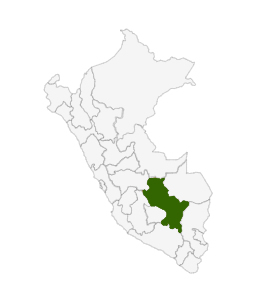
- Huayna Picchu is the iconic mountain seen in the background of classic postcards of Machu Picchu, and climbing it is an unforgettable adventure.
- Machu Picchu Mountain, located next to the Inca citadel, offers a perfect plan to enjoy with the family with impressive views.
- Huchuy Picchu is an ideal option if you prefer an easy, but equally rewarding hike with unique panoramic views of the archaeological site.
- The Temple of the Three Windows, at the top of Machu Picchu, is a magnificent example of sophisticated Inca architecture.
- Aguas Calientes, the closest modern town, has excellent restaurants, hotels and craft markets, as well as a welcoming atmosphere.
- The butterfly house and the spectacled bear conservation center, managed by the Inkaterra Foundation, are perfect for nature lovers.
The best tours to Machu Picchu for 2025 and 2026

6 Days / 5 Nights
Cusco Adventure Humantay Lake
Cusco, Catedral, Qoricancha, Valle Sagrado, Pisac, Ollantaytambo, Machu Pichu, Laguna Humantay.
6 Days / 5 Nights
Cusco Adventure Rainbow Mountain
Lima, Cusco, Catedral, Valle Sagrado, Machu Pichu, Montaña Vinicunca
4 Days / 3 Nights
Traditional Cusco
Lima, Cusco, Catedral, Valle Sagrado, Machu Pichu.
3 Days / 2 Nights
Classic Cusco
Cusco, Valle Sagrado de los Incas, Pisac, Ollantaytambo, Machu Pichu, Laguna Humantay.
4 Days / 3 Nights
Amazon Adventure Macaw and Parrot Clay Clay Chuncho
Lima, Cusco, Catedral, Valle Sagrado, Machu Pichu, Montaña Vinicunca
4 Days / 3 Nights
Amazonian Explorer
Puerto Maldonado, Ecolodge, Lago Condenado, Lago Sachavacayoc.
7 Días / 6 Noches
CUSCO SUPER ADVENTURE
Catedral, Qoricancha, Sacsayhuaman, Valle Sagrado, Pisac, Ollantaytambo, Aguas Calientes, Machu Pichu, Montaña Vincunca o Laguna Humantay.
4 Days / 3 Nights
INCA TRAIL
Cusco, Piscakucho, Wayllabamba, Ayapata, Llulluchayoq, Runkurakay, Sayaqmarka, Chakicocha, Winaywayna, Intupinku, Machuppichu.
2 Days / 1 Nigth
SHORT INCA TRAIL
CUSCO, OLLANTAYTAMBO, KM 104 CHACHABAMBA, WIÑAY-WAYNA, MACHUPICCHU, AGUAS CALIENTES.

Full Day
SACRED VALLEY
Valle Sagrado, Pisac, Urubamba, Ollantaytambo y Chinchero
Full Day
MACHU PICCHU
Plaza, Torre Circular, el Sagrado Reloj Solar, Cuartos Reales, Templo de las Tres Ventanas y Los cementerios.
Full Day
Vinicunca Rainbow Mountain - 7 Colors Mountain
Cusco, Cusipata, Chirihuani, Vinicunca.
HISTORY OF MACHU PICCHU
Machu Picchu means “old or ancient mountain” in Quechua. Surrounded by legends and theories, its strategic location seems to have been influenced by sacred and astronomical reasons that led the Inca Pachacútec to establish the citadel at an altitude of 2,492 meters. Archaeologists suggest that agricultural factors and geosacred signs were also decisive, guaranteeing the supply of important crops such as corn and coca leaves for the Inca nobles and priests in Cusco.
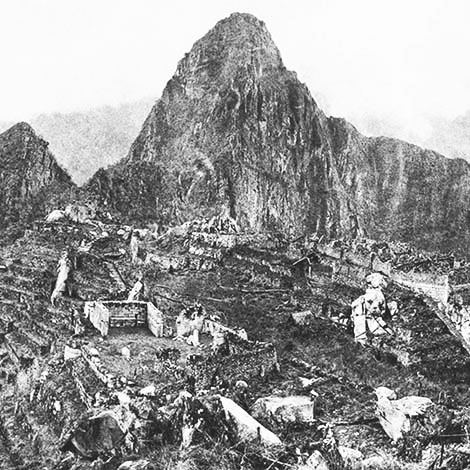
The discovery of Machu Picchu
Never discovered by the Spanish conquistadors, Machu Picchu, known as the «Lost City of the Incas,» remained forgotten for centuries except by local indigenous people and settlers. Its rediscovery occurred on July 24, 1911 thanks to the American explorer Hiram Bingham.
The find was exceptional, as the citadel was almost intact, without the typical damage caused by the Spanish or looters. Accompanied by two locals, Bingham left his camp around 10 a.m., crossing a dangerous bridge on all fours and ascending a steep slope. Arriving at noon, he rested in a cabin and received the hospitality of a peasant who told him about fertile cultivable terraces in the area.
It was an 11-year-old local boy, Pablito Álvarez, who guided him to the site. Exploring the recently cleared terraces for crops, Bingham discovered the elegant white stone that confirmed to him that he was on the verge of an extraordinary discovery: the majestic Inca ruins he had been searching for.
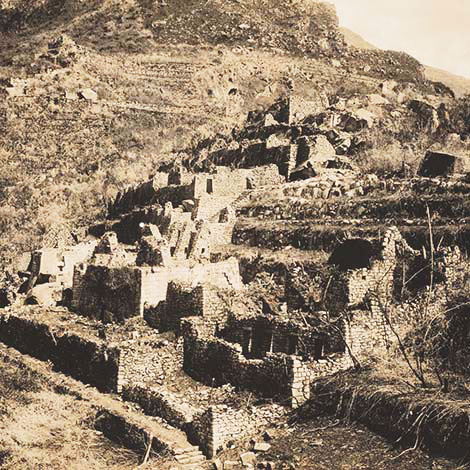
Origins of Machu Picchu
Hiram Bingham was the first to suggest that Machu Picchu was the legendary lost city of Vilcabamba, the last Inca refuge from the Spanish conquistadors. However, this theory began to crumble after an American expedition in the 1940s. Recent research has confirmed that the true last bastion of the Incas was Espiritu Pampa, in the middle of the Amazon rainforest.
On the other hand, some researchers have speculated that Machu Picchu could have been one of the best preserved agricultural centers that served Cusco in its heyday. The citadel, conceived and built in the mid-15th century by the emperor Pachacútec, combined the cult of fertility, nature and mountains, sacred elements for the Incas.
Its impeccable architecture, with temples and terraces, shows that in addition to being an agricultural center —possibly experimental— it also fulfilled a ritual function. For the Incas, economic activities and religious practices were not strictly separated, which is why Machu Picchu stands as an extraordinary vestige that symbolizes this symbiosis between the spiritual and the agricultural.
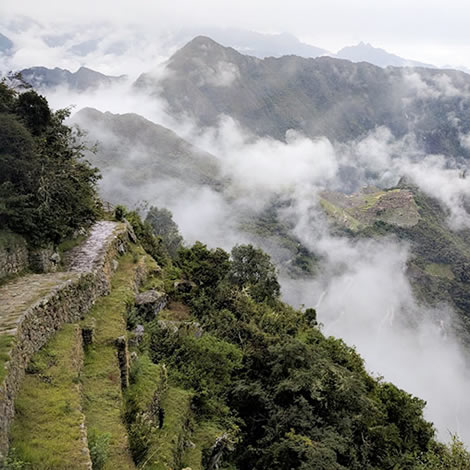
Geography of Machu Picchu
Hiram Bingham was the first to suggest that Machu Picchu was the legendary lost city of Vilcabamba, the last Inca refuge from the Spanish conquistadors. However, this theory began to crumble after an American expedition in the 1940s. Recent research has confirmed that the true last bastion of the Incas was Espiritu Pampa, in the middle of the Amazon rainforest.
On the other hand, some researchers have speculated that Machu Picchu could have been one of the best preserved agricultural centers that served Cusco in its heyday. The citadel, conceived and built in the mid-15th century by the emperor Pachacútec, combined the cult of fertility, nature and mountains, sacred elements for the Incas.
Its impeccable architecture, with temples and terraces, shows that in addition to being an agricultural center —possibly experimental— it also fulfilled a ritual function. For the Incas, economic activities and religious practices were not strictly separated, which is why Machu Picchu stands as an extraordinary vestige that symbolizes this symbiosis between the spiritual and the agricultural.
HISTORY OF MACHU PICCHU
ELEVATION
Machu Picchu is located in the Andes Mountains at 2430 m (7970 ft) above sea level. While the Inca citadel is located about 450 meters above the Sacred Valley. Not only is the Inca citadel available for hiking, but also try Huayna Picchu (8,920 ft / 2,720 m) and Machu Picchu Mountain (10,100 ft / 3,080 m).
CLIMATE
Located at the cusp of the Andes Mountains and the upper Amazon Basin, Machu Picchu’s mild subtropical climate is more humid than that of Cusco and the Sacred Valley. The temperature of the Inca citadel is warm and humid during the day, while at night it is much cooler. The temperature can range from 12 to 24 degrees Celsius. And no matter what time you travel, rain can appear without warning and the water never freezes. See Seasonal Information for more details.
Machu Picchu and Altitude Sickness
Altitude sickness is a common health problem for people visiting the Inca citadel. Each person reacts differently, but severe reactions to high altitudes are rare and difficult to predict. Many travelers only experience minor symptoms, such as shortness of breath, headache, loss of appetite or nausea, as a result of altitude. Cusco and the Sacred Valley are at higher elevations than Machu Picchu.
SEASONAL INFORMATION OF MACHU PICCHU
What to expect in Machu Picchu
The weather in Machu Picchu can change abruptly. In the morning the temperature can be cool and also in the evening, so bring a good jacket. During the middle of the day, it can be hot, so dress in layers.
Average daily temperatures
Day: 65-82 F (18-28 C)
Night: 50-65 F (9-17 C)
Season
The dry season: April to October.
The rainy season: November to March
NB: In the highlands of Peru there is a rainy season and a dry season. But you should expect rain at any time of the year, so always come prepared.
HOW TO GET TO MACHU PICCHU
Wondering how to get to Machu Picchu? The journey to this wonder is as impressive as the destination itself, with Andean landscapes that include glaciers, lakes and lush forests. There are alternative routes, little traveled but equally spectacular, that offer a unique and surprising experience. From the famous Inca Trail to options such as the Salkantay Route or the Lares hike, each route has its own special charm. Just don’t forget to book your tickets in advance, as access to the citadel is limited to preserve its beauty and historical value.
Classic Ways
By Train
Arrive in style on a wonderful train ride. You can choose from budget-friendly train options to Machu Picchu to more luxurious and exclusive ones. The easiest and most common way to get there is by taking the train from Cusco (Poroy train station) to Aguas Calientes or Ollantaytambo to Aguas Calientes. There are two main companies that have the highest standards of comfort, convenience and safety. If you are traveling independently, it is advisable to book train tickets to Machu Picchu in advance. The total travel time can be between three and a half to four hours of travel.
By Bus
Upon arrival in Aguas Calientes, shuttle buses are available to ascend the mountain and transport you to the Inca citadel. They operate throughout the day and leave every 15 minutes from Aguas Calientes to Machu Picchu and vice versa. The trip is quite short and can take between 35 to 40 minutes depending on the pace. The bus station is only 5 minutes from the train station.
Inca Trail
If we pay attention to a map of the Inca Trail, we can realize that this is a specific stretch of the hundreds of routes built by the Inca Empire. One of the most rewarding and challenging ways to reach the «Lost City of the Incas» is by following one of the paths of the Inca Trail. It is a spectacular network of trails that wind through snow-capped Andean mountains, rivers and breathtaking landscapes. Thanks to its natural and cultural treasures, it has become an attraction that attracts thousands of enthusiastic travelers every year. Along the way you can visit Inca ruins and much more. Numerous tour operators offer the possibility of walking the Inca Trail to Machu Picchu. Keep in mind that depending on your operator you will have alternatives of different durations. The classic Inca Trail tour lasts 4 days and 3 nights. Although there are other variants of fewer days.
Hike to Choquequirao
Those travelers interested in archaeology should consider the hike to Choquequirao. This trek is a four to nine day hike through a wide variety of flora and fauna, spectacular and breathtaking Andean landscapes and an ancient trail leading to the well-preserved Inca ruins of Choquequirao. This challenging trek is definitely a once in a lifetime adventure.
Salkantay Trek
If you are looking for a less crowded and more private experience, the Salkantay Trek is one of the best options. This is usually the second most popular way to hike to Machu Picchu. The Salkantay trek is named after one of the highest Andean peaks in Peru: Salkantay Mountain. Salkantay is one of the most imposing peaks in the Peruvian Andes and stands at 6,271 meters above sea level. This incredible five-day trek is one of the best trekking alternatives to the Inca citadel, but with greater difficulty. You will pass through imposing Andean peaks, cloud forests, and stunning jungle. It is definitely a must-do!


